Sole PMM for a new product, from launch to its first enterprise deal.
Everything below happened. This case study only covers the highlights. Click to see it full size.
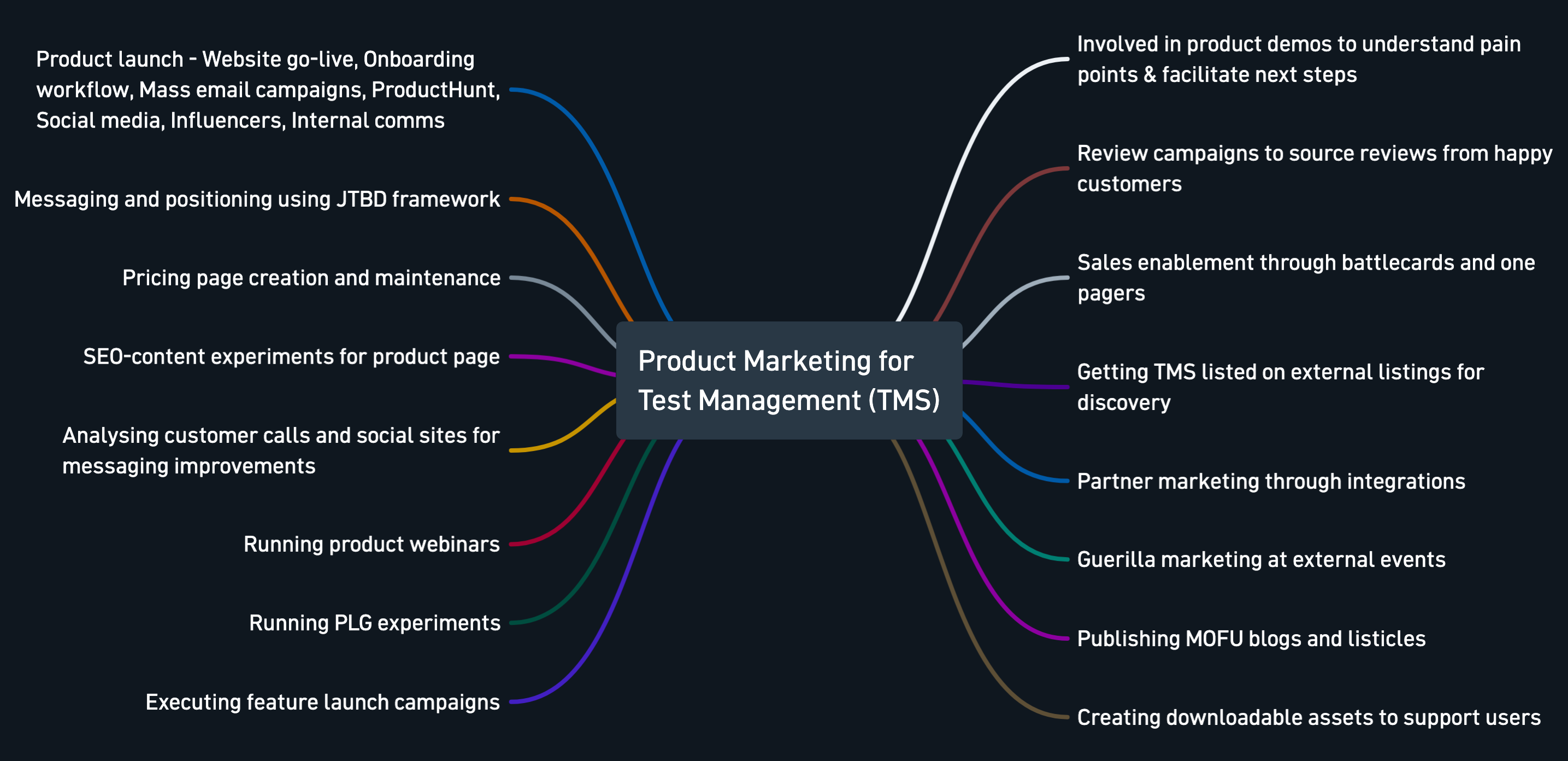
Thrown in solo
When Testsigma launched Test Management (TMS), there was no dedicated product marketer for it. I took on the function alone, on top of my existing growth remit. Messaging, positioning, paid ads, sales enablement, guerrilla event marketing: all of it, from scratch, with no playbook to inherit.
A recurring voice-of-customer engine
Not everything in this stretch was specific to the TMS launch. This is the one exception: a system that turns real prospect conversations into messaging on an ongoing monthly cycle, and it's still running today, regardless of what's launching next.
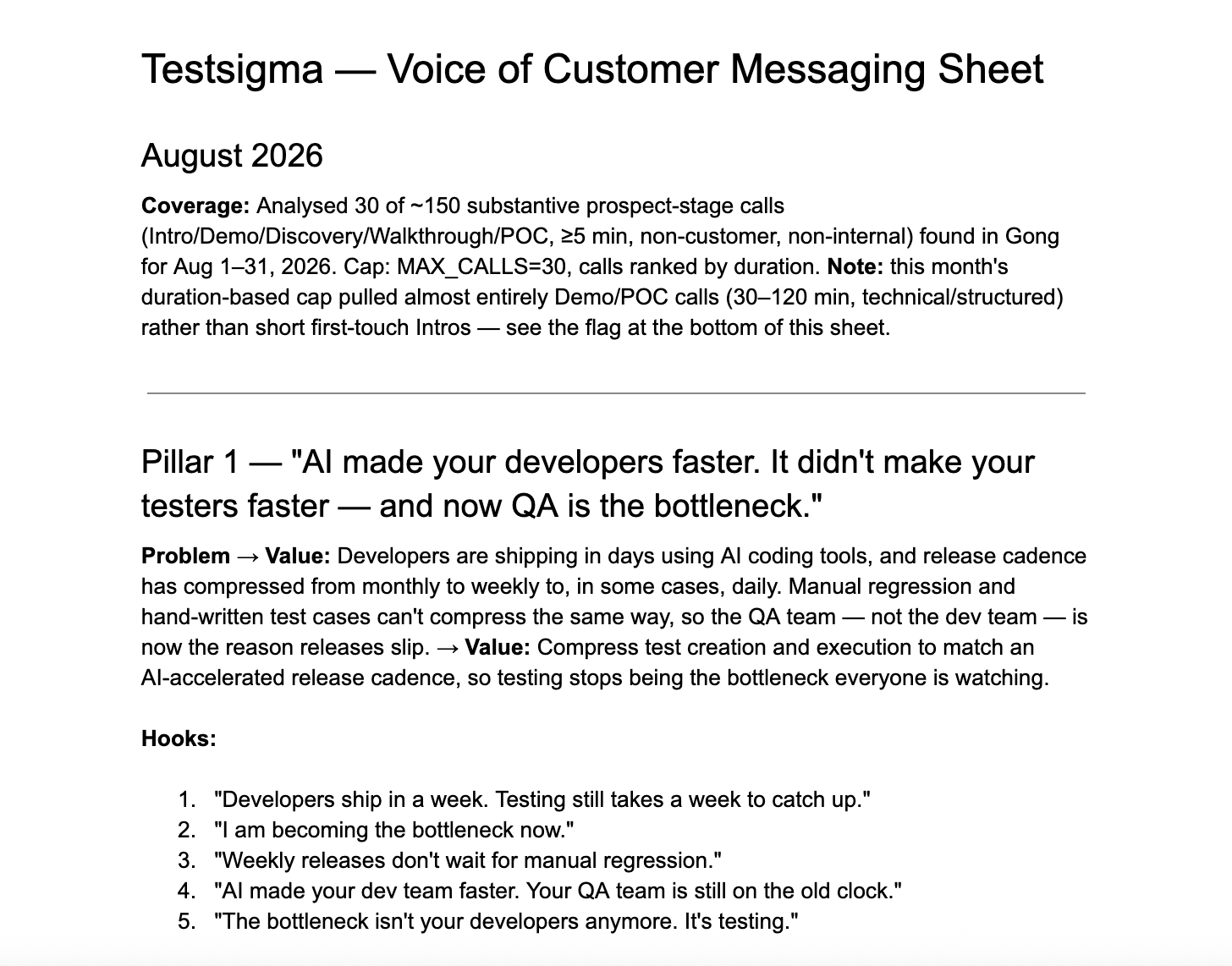
One pillar from an actual month's output: problem, value, and the hooks pulled straight from it.
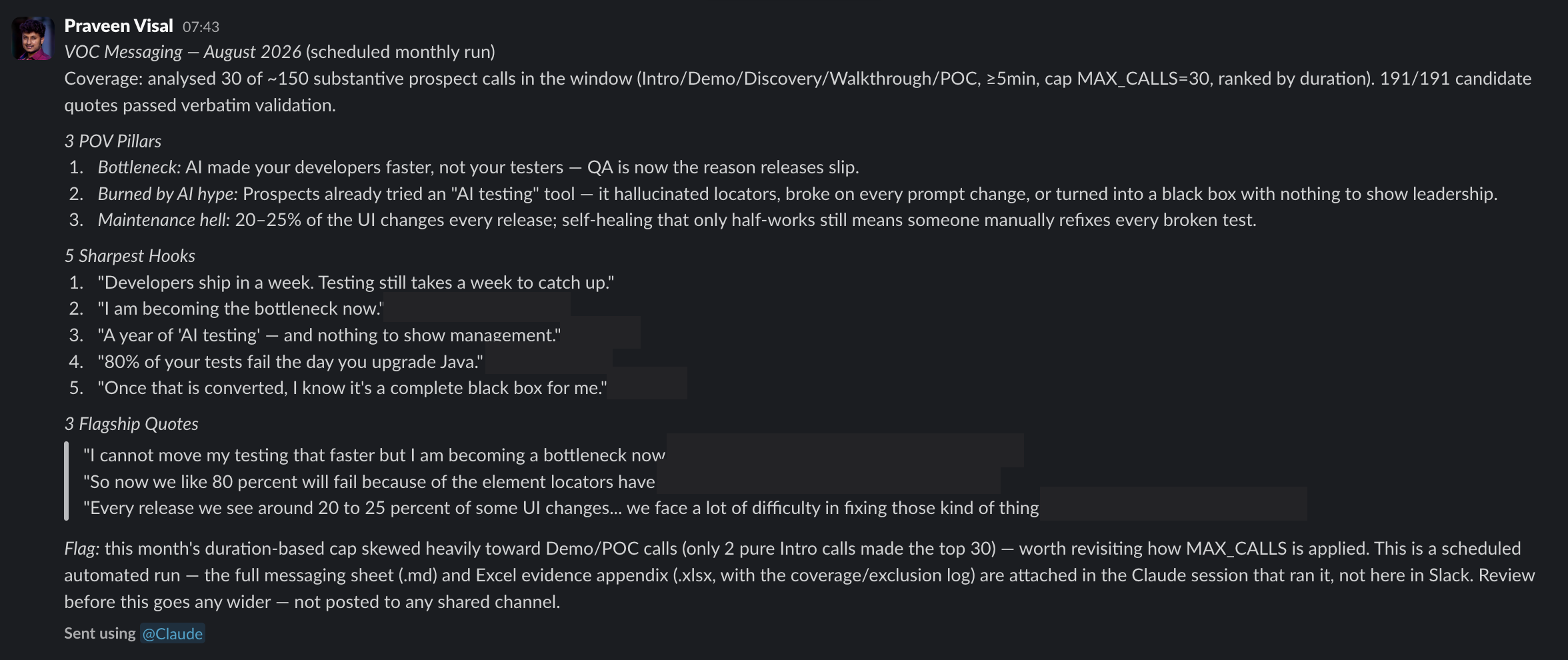
The monthly summary, delivered to Slack automatically. (Prospect names and companies redacted.)
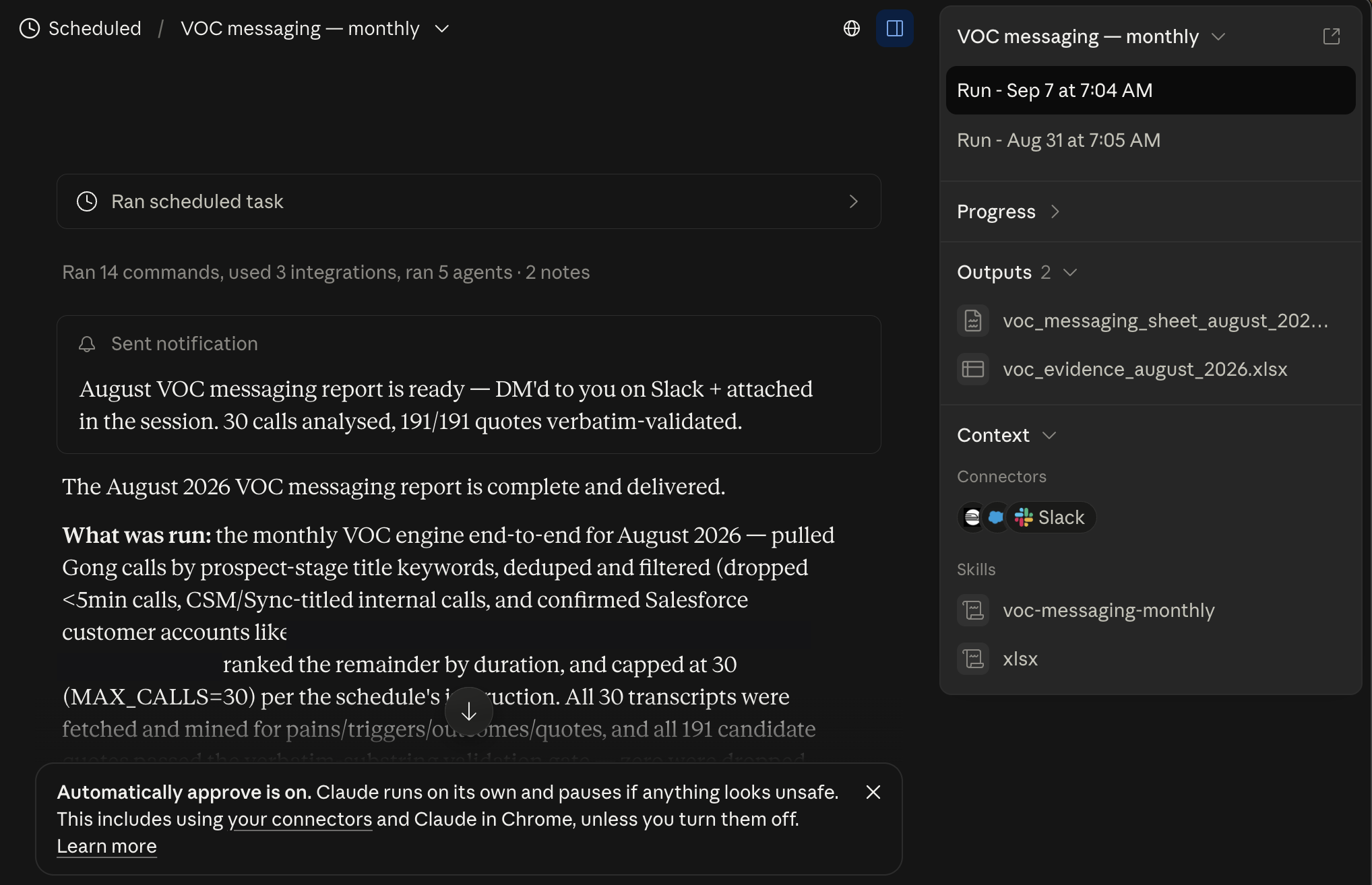
The scheduled run itself: Gong and Salesforce connected, output files generated automatically. (Customer account names redacted.)
A live battlecard generator for competitive deals
Sales enablement for competitive deals usually means a static PDF that goes stale the week it's published. I built a tool that generates a full battlecard on demand, pulling live G2 intelligence for whichever competitor a rep is actually up against that week, instead of whatever the last update cycle happened to cover.
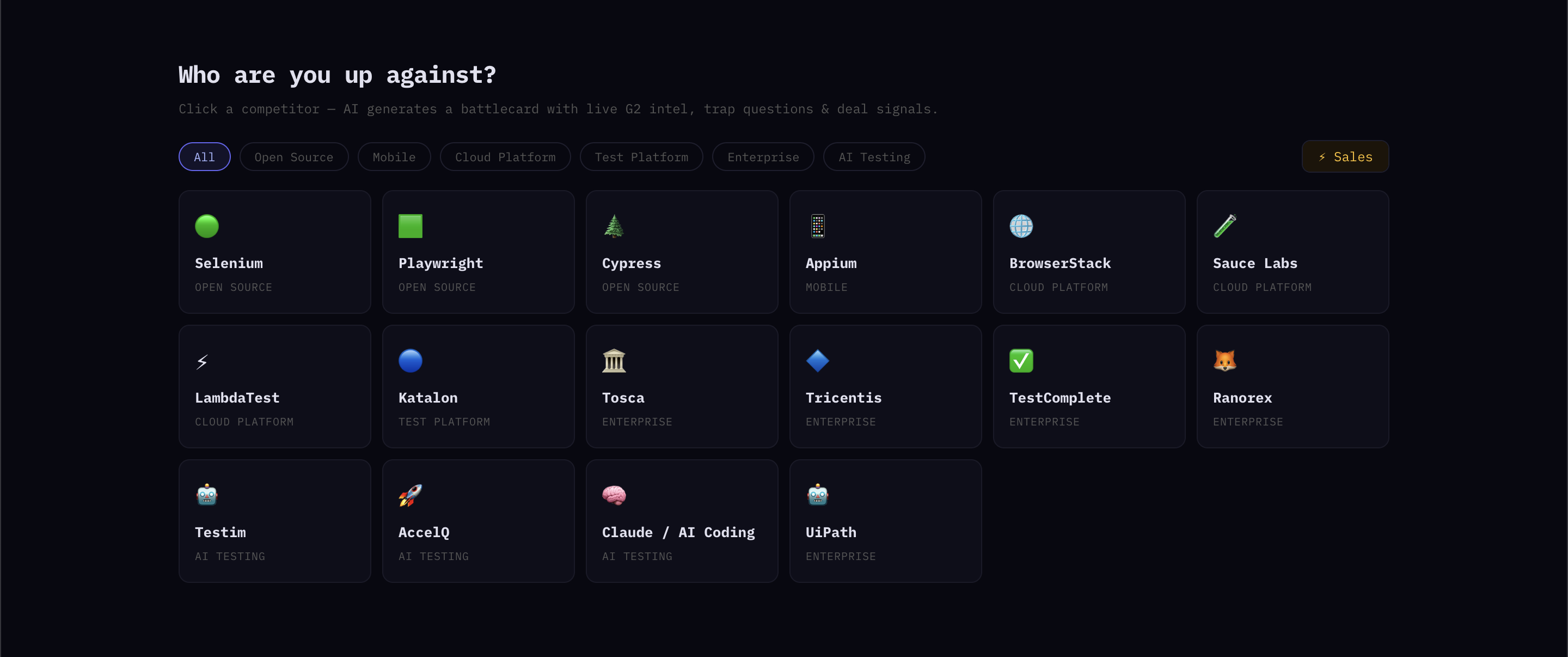
Pick a competitor by category, sales gets a battlecard built for the deal in front of them.
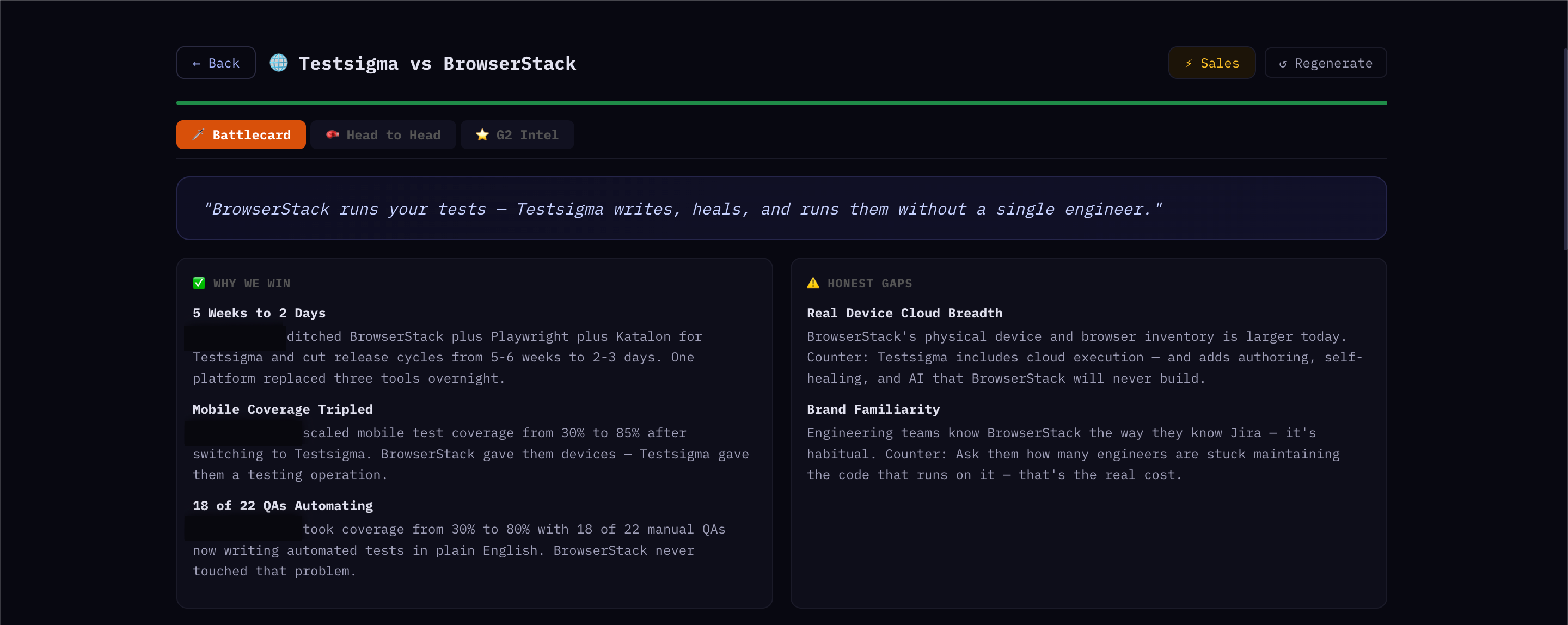
A generated battlecard: real wins with real numbers, and the gaps stated plainly rather than hidden. (Customer names redacted.)
The SEO play
One of the first priorities was visibility. I ran an SEO and content play on the TMS product page targeting "test management software," a competitive, high-intent keyword with established players already ranking. The page reached #1 in India and #4 in the US, and has held top-3 a year later.
Two more wins came out of the same stretch: a trial-length change that reshaped the top of the funnel, and Testsigma's highest-registered webinar to date (700+ registrations), built entirely from scratch with no existing webinar program to lean on.
Before writing a word of hero copy, I ran a Jobs-to-be-Done process to find out what buyers were actually hiring a test management tool to do. Here's the full process behind that.
Gather raw signal from two different sources
- Discovery-call transcripts from the sales team
- Public forum threads (Reddit, review sites) where people described frustrations unprompted
- Two sources matter: a customer talking to sales and a stranger venting online have different incentives to shade the truth
Find the pattern, not the anecdote
- One complaint isn't a job, it's one data point
- Read across dozens of conversations for the same underlying need showing up in different words
- "Scattered tools" and "too many places to look" get grouped as one job, not counted as two
Write it as a job, not a feature request
- Each pattern rewritten as: the job, the pain stopping it, the outcome that counts as success
- Example: the job wasn't "give me a test tool," it was "give me one place, and let me bring what I already have without losing it"
- That distinction, job versus feature, is the whole point of the format
Prioritize by repetition, not by what sounds compelling
- Ranked jobs by how often they actually showed up, not by which felt most interesting to write about
- Resisted leading with the cleverest insight instead of the most common one
Where this actually landed
- The two most repeated jobs: wanting one place instead of scattered tools, and wanting AI to absorb the busywork of writing and running tests
- Became "one place" and "AI Agents," the two ideas doing the most work in the final hero copy
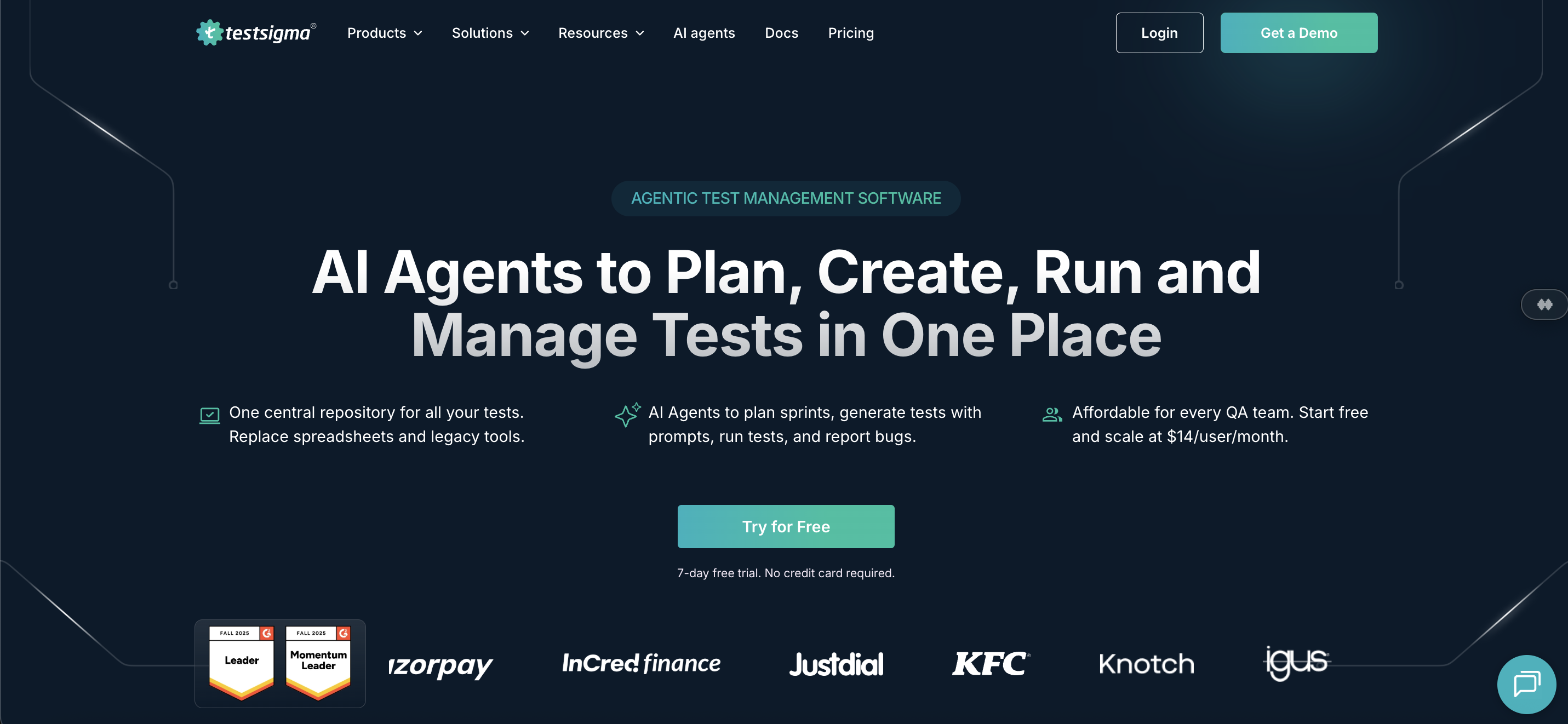
Where the process actually landed: "AI Agents" and "in One Place," live on the page today.
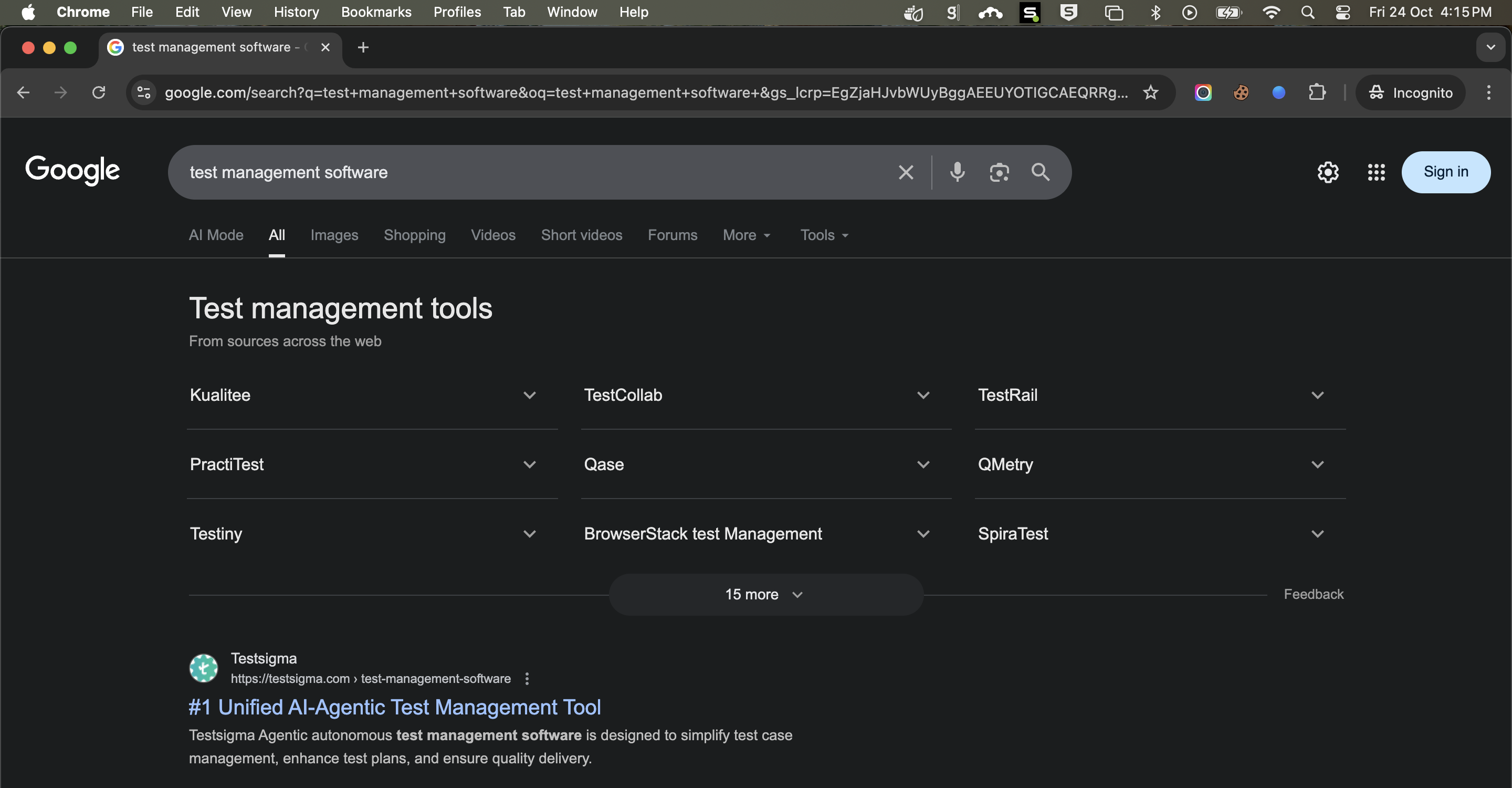
Testsigma's TMS page ranking #1 for "test management software": the search that mattered most for this launch.
That ranking translated directly into TMS's first enterprise deal, the first proof this new product could win in the enterprise segment and not stay confined to SMB.
Turning a review into a stage
I ran a G2 review campaign targeting our most active power users. One of those reviews came from a customer who liked the product enough to say yes to something bigger: becoming Testsigma's first-ever customer-as-speaker on a webinar. Getting a customer to describe your product in their own words, live, to a room of prospects, is worth more than anything I could write for them.
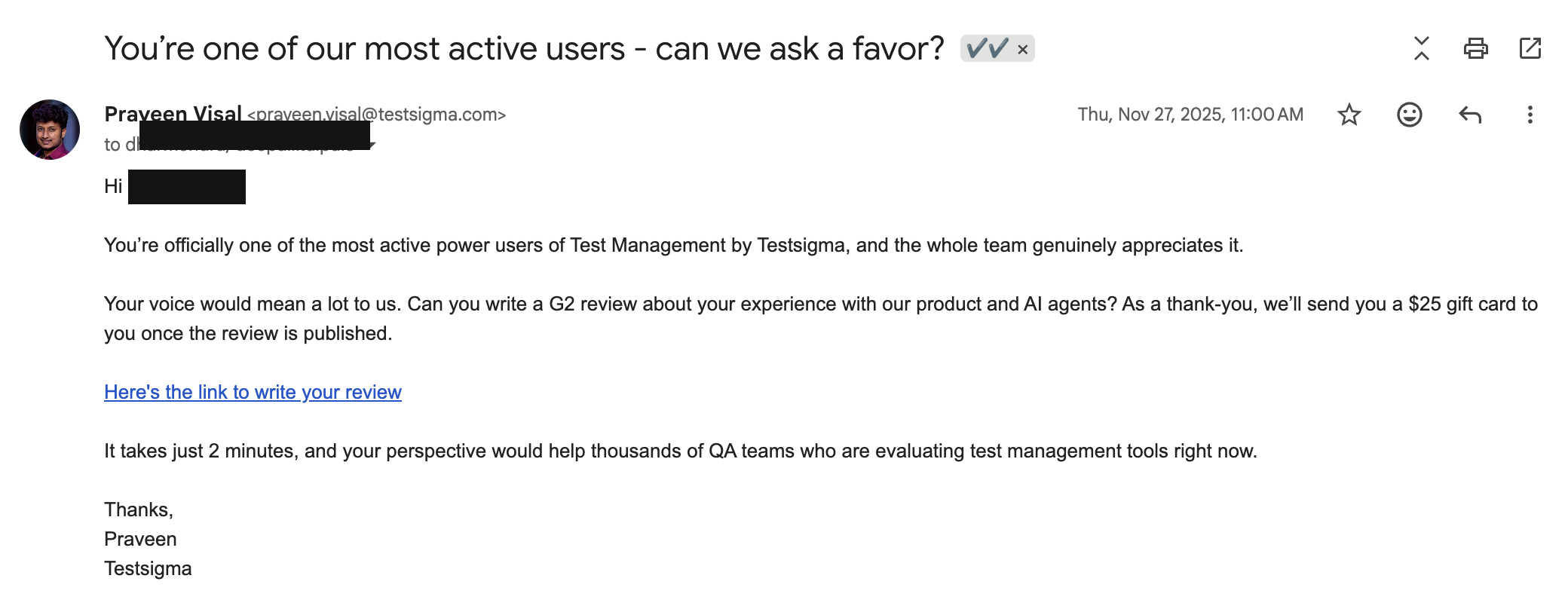
The G2 review outreach that started the relationship. (Customer name redacted.)
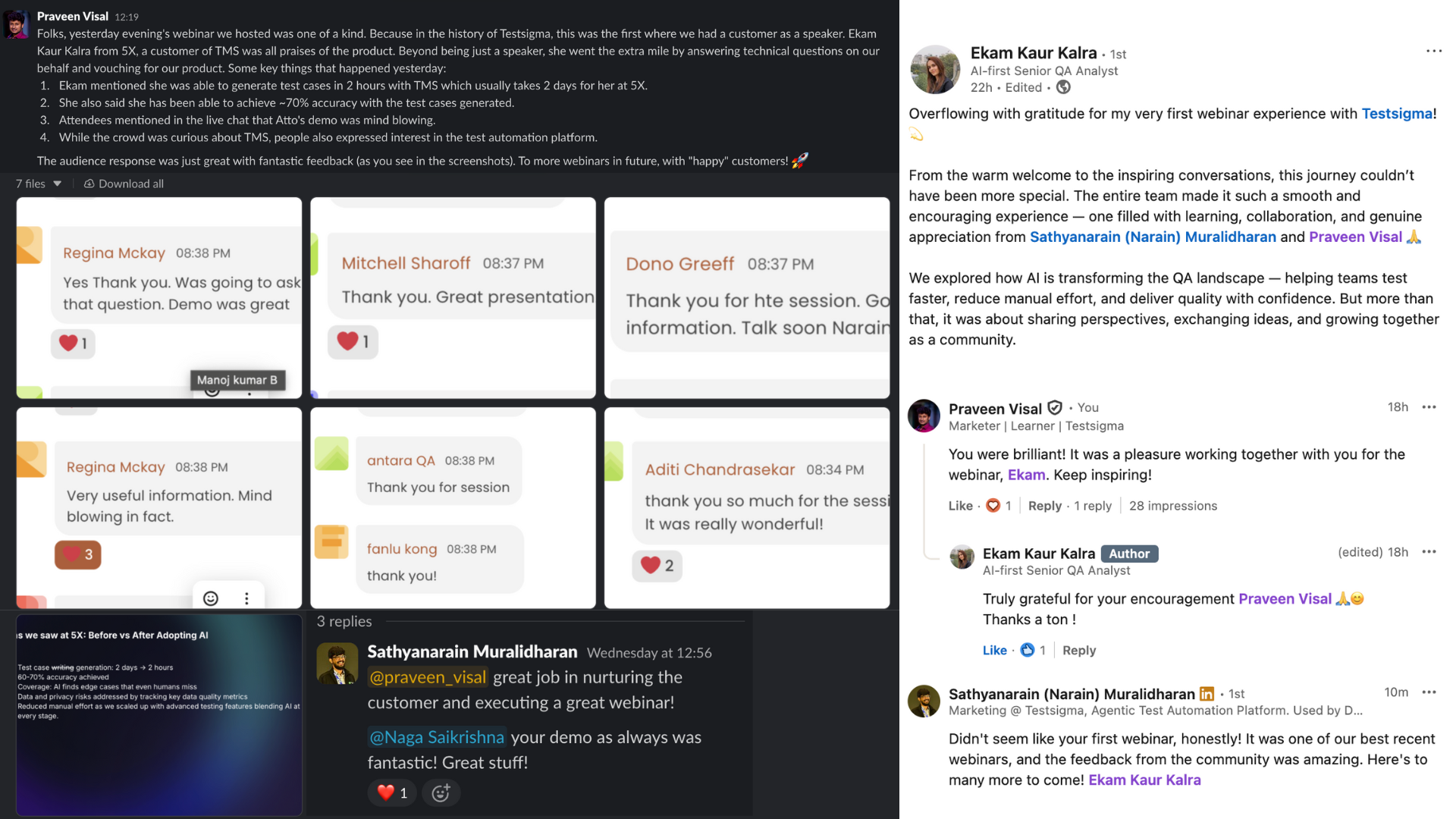
The customer-as-speaker webinar that followed, and her own LinkedIn post about it afterward.
Building a partner channel from scratch
I initiated the partner marketing conversation with Linear directly. Built the Test Management by Testsigma integration page to their submission template and requirements, produced the embedded explainer video myself, and got it published on Linear's live integrations directory as a recognized partner.
It's already paying off as a trust signal: in at least one enterprise sales conversation, Linear's own team referenced Testsigma directly when advising a prospect on tooling options. That's what a partner directory is actually for: a channel other companies' sales teams point their own customers toward, a different kind of validation than anything I could write myself.
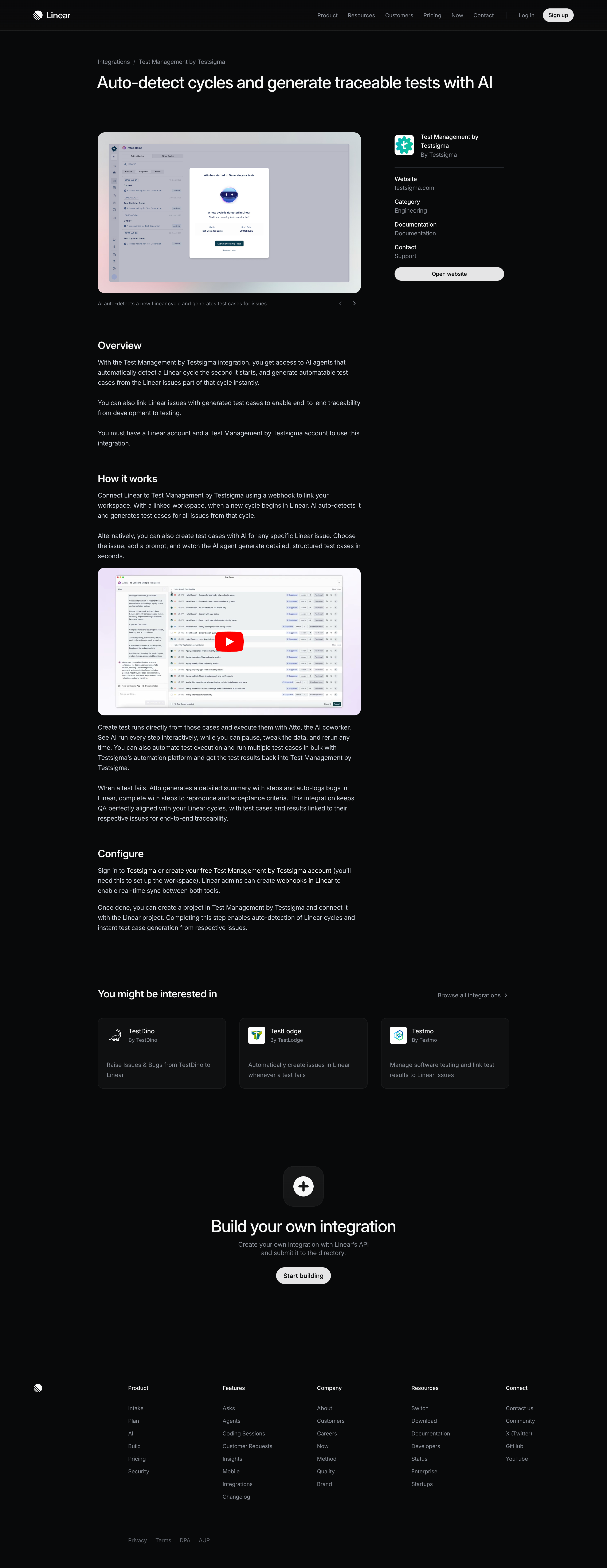
The Test Management by Testsigma integration, live on Linear's own site.
"I had the opportunity to work with Praveen on the couple of website product pages and content initiatives that gained visibility in AI/Answer Engine results. He has a strong growth marketing mindset with excellent expertise in CRO and content optimization. His ability to connect user behavior, content, and business goals really stands out."
More from the same launch
Guerrilla marketing outside GitLab's Epic Conference: a coffee cart with a Testsigma banner, handed out at the venue, to build brand visibility with exactly the audience most likely to need TMS.
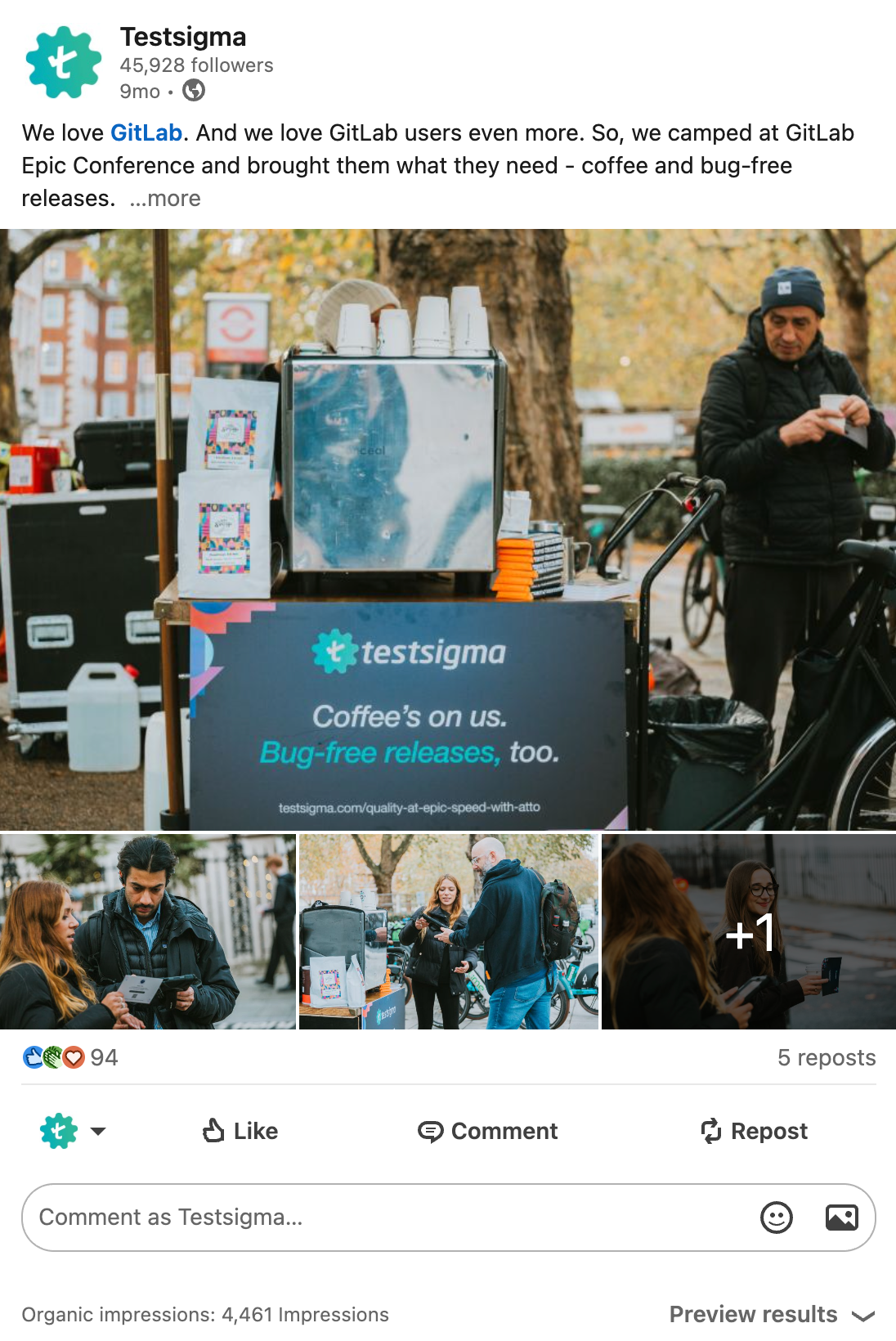
The actual setup outside GitLab's Epic Conference.
- Ready on day oneRevamped the pricing page to a multi-product model before TMS launched, not scrambled together after.
- Armed for competitive dealsBuilt a feature-by-feature battlecard positioning Test Management by Testsigma against Zephyr, for sales enablement on competitive deals.